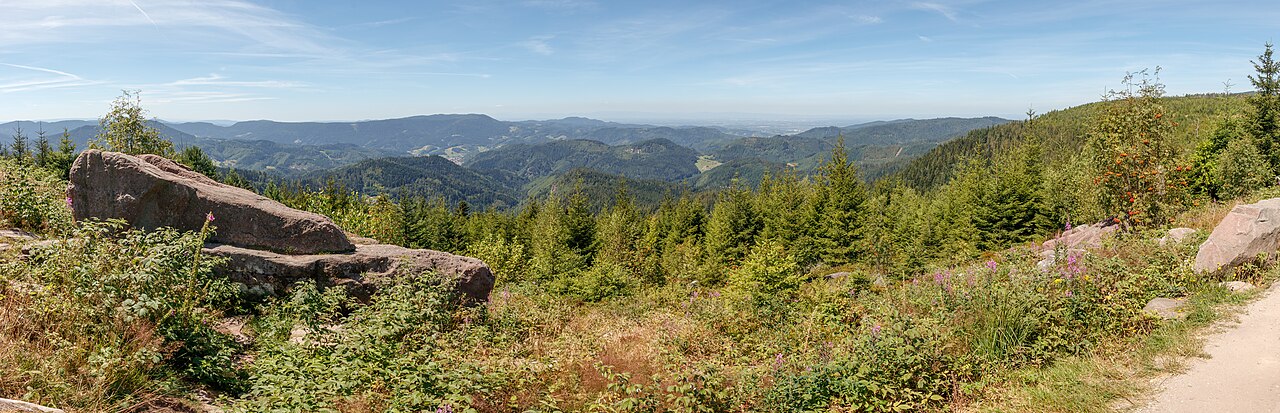
Statistical Uniqueness
Eight or more Michelin stars within Baiersbronn's administrative boundaries represent extraordinary concentration for a rural town without metropolitan population base. Harald Witzigmann, Claus-Peter Lumpp and the Fertig family kitchens anchor international reputation.
Guests travel specifically for multi-night dining itineraries — breakfast at hotel, lunch tastings, evening tasting menus — a tourism model resembling Napa or Baiersbronn's French analogues in remote gastronomic valleys.
Hotel-Restaurant Integration
Schwarzwald luxury hotels — including Tonbach and Bareiss — integrate spas, golf, hiking guides and dining under family ownership spanning generations. Kitchens source venison, trout, mushrooms and dairy from surrounding forests and farms.
Apprenticeship pipelines train local youth in service and cookery, reducing dependence on transient metropolitan staff. Dual education (Duale Ausbildung) partnerships with regional vocational schools sustain talent supply.
Starred restaurants require advance booking months ahead, especially autumn mushroom season and December holiday periods.
Forest Terroir and Menu Logic
Menus articulate Schwarzwald terroir: juniper, smoked ham, river fish, elderflower, wild garlic. Chefs reference elevation, soil and season in menu copy — narrative techniques familiar from wine-country dining.
Non-alcoholic pairing programmes and extensive cheese cellars reflect German guest preferences alongside Riesling and Burgundy wine lists.
Economic and Cultural Impact
Gastronomy elevates property values, tax revenues and international media coverage. Municipal branding emphasizes culinary identity over generic alpine tourism.
Critics debate exclusivity and environmental footprint of luxury tourism in sensitive forest ecosystems — conversations driving sustainability certification among leading hotels.