Historical Kur Protocol
Nineteenth-century physicians prescribed timed drinking cures, mineral immersion and supervised hiking for cardiovascular and nervous conditions. Grand hotels built Trinkhallen pump rooms and covered walking galleries.
Social calendars structured guest days — morning baths, afternoon promenades, evening concerts — minimizing unstructured stress.
Insurance and Medical Framework
German Krankenkassen historically subsidized Kur stays when medically indicated; reforms tightened eligibility while wellness tourism expanded private-pay segments. Certified spas maintain water analysis labs meeting Trinkwasserverordnung standards.
Kneipp hydrotherapy — alternating water temperatures — remains popular in Schwarzwald public facilities and hotel spas.
Schwarzwald Wellness Integration
Tonbach and peer hotels offer sauna landscapes, indoor pools, massage therapy and nutrition counselling extending Kur logic to international guests without insurance paperwork.
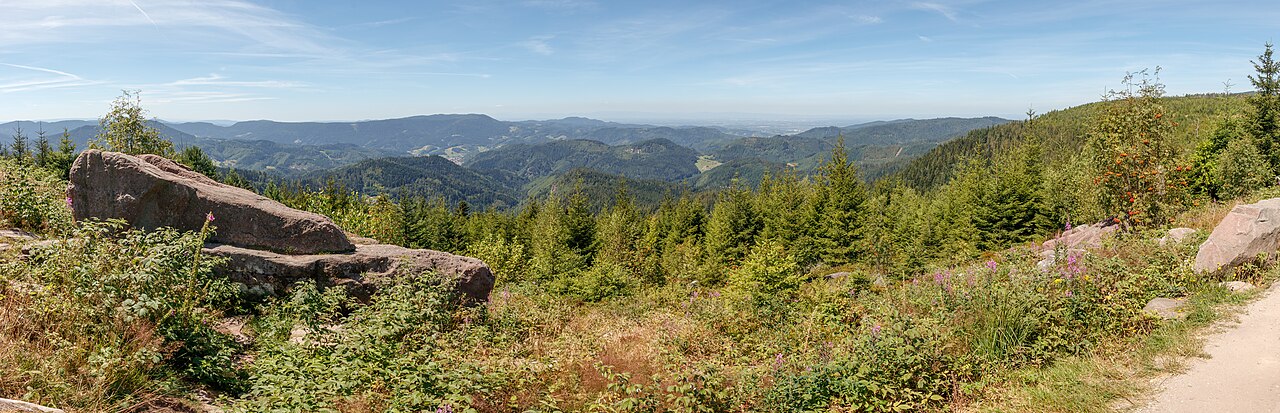
Luftkur — breathing pine-rich forest air — complements hydrotherapy; guided silent walks feature in wellness programmes.
Modern Adaptation
Digital detox, sleep coaching and mindfulness augment traditional cures. Medical spas employ physicians for preventive checkups alongside cosmetic wellness services.
Sustainability certifications now evaluate spa water recycling and energy sources — aligning health hospitality with environmental accountability.