Origins in the Late Eighteenth Century
The Traube Tonbach property began as a guest stop for timber workers, drovers and early tourists exploring Schwarzwald trails. 1789 marks documented hospitality use — a date preceding French Revolution upheaval that indirectly reshaped European travel patterns.
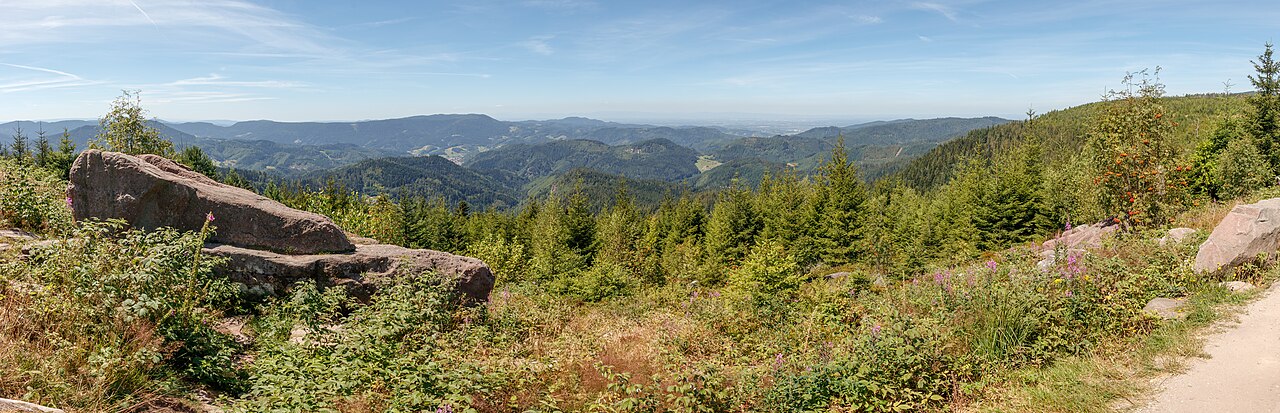
Valley topography — stream water, south-facing slopes, forest game — supplied kitchen and heating resources before modern utilities.
Family Ownership and Expansion
Generational family management preserved institutional memory through wars, hyperinflation and post-war reconstruction. Incremental room additions, dining room enlargements and kitchen modernization followed guest demand without abandoning regional architectural vocabulary.
Fertig family leadership aligned hotel stars with culinary ambition, recruiting chefs who elevated Schwarzwald ingredients to Michelin scrutiny.
Spa and Wellness Integration
Thermal pools, saunas and treatment wings integrated Kur traditions with luxury hospitality. Guests plan hiking mornings, spa afternoons and tasting-menu evenings — a daily rhythm echoing nineteenth-century convalescence schedules.
Black Forest chalet façades, half-timber details and valley-facing balconies maintain visual harmony with Tonbach village scale.
Valley Ecosystem Stewardship
Hotels participate in watershed protection and trail maintenance supporting both ecology and guest recreation. Employment sustains village population against rural depopulation trends affecting other Schwarzwald districts.
Tonbach's story demonstrates how sustained family investment — rather than corporate chain acquisition — can accumulate global reputation over centuries.